
Share:
Home » Crosshairs Blog » What is Cerakote: Ultimate Guide to Cerakoting Your Guns and Rifles
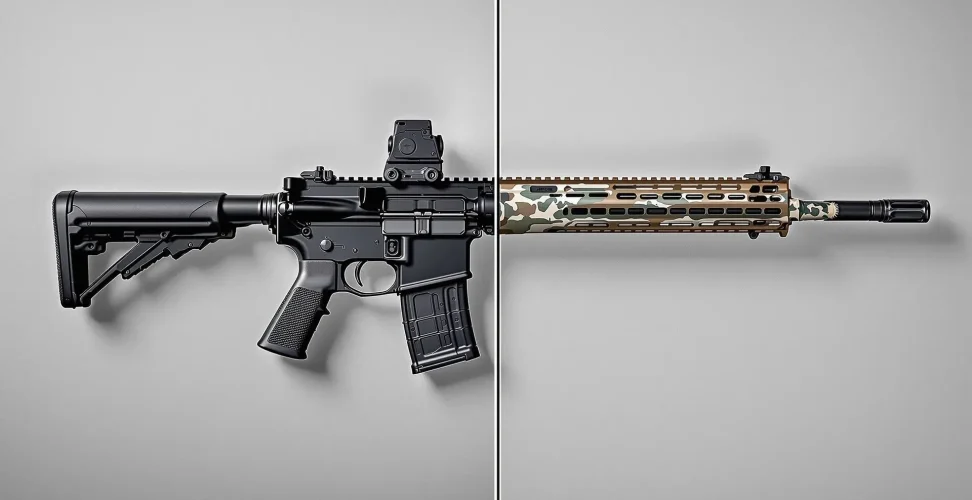
Transform your guns and rifles with our ultimate guide to Cerakote services. Discover how this innovative coating enhances aesthetics and protects your firearms from wear.
Cerakote is a modern ceramic-based coating that is widely used to protect and enhance the appearance of firearms. Developed by NIC Industries, it is known for its durability, corrosion resistance, and wide range of color options. The coating is composed of a proprietary formula of polymers and ceramics, which create a tough finish that can withstand extreme conditions. This makes Cerakote on guns, pistols and rifles an ideal choice for firearms, which are often exposed to harsh environments and rough handling.
The application of Cerakote on firearms involves a multi-step process that begins with thorough cleaning and preparation of the firearm surface. This is followed by the application of the Cerakote material using specialized equipment. Once applied, the coating is cured at high temperatures to ensure a strong bond with the firearm’s surface. The result is a protective layer that not only enhances the aesthetic appeal of the rifle but also significantly improves its performance and longevity.
Cerakote on guns is available in a vast array of colors and finishes, allowing gun owners to customize their rifles to their personal preferences. Whether you want a sleek, matte black finish or a vibrant, camo pattern, Cerakote offers the flexibility to achieve the desired look. In addition to color options, Cerakote can also be applied in various textures ranging from smooth to rough, providing additional grip and control. This combination of aesthetic and functional benefits has made Cerakoting on firearms a popular choice among firearm enthusiasts and professionals alike.
One of the primary benefits of Cerakoting your guns and rifle is the enhanced protection it provides. The ceramic-based coating forms a hard, durable layer that shields the firearm from scratches, dings, and other physical damage. This is particularly important for rifles that are used in demanding environments, such as hunting, military, and law enforcement applications. Cerakote’s robust nature ensures that your rifle can withstand the rigors of daily use without compromising its integrity or performance.
In addition to physical protection, Cerakote on guns offers excellent corrosion resistance. Firearms are often exposed to moisture, salt, and other corrosive elements that can lead to rust and degradation over time. Cerakoting guns and rifles creates a barrier that prevents these elements from reaching the metal surface of the gun and rifle, thereby extending its lifespan. This is especially beneficial for rifles that are used in humid or coastal regions where corrosion is a significant concern.
<p align=””>Another advantage of Cerakoting your rifle is the ability to customize its appearance. With tons of colors and finishes available, you can personalize your firearm to your vibe or camouflage needs. Whether you prefer a traditional look or a bold, modern design, Cerakote allows you to achieve the desired aesthetic. This level of customization not only enhances the rifle’s visual appeal but can also increase its value. Additionally, the Cerakote finish is resistant to fading and discoloration, ensuring that your rifle maintains its new look for years to come.
The Cerakote process on guns begins with meticulous preparation of the firearm. This step is crucial for ensuring the proper adhesion of the coating. The rifle is first disassembled, and each component is thoroughly cleaned to remove any dirt, oil, or existing finishes. This is typically done using a combination of degreasers and abrasives to achieve a completely clean and bare surface. Any residue left on the firearm can interfere with the bonding process, so attention to detail is paramount during this stage.
Once the rifle is clean, it undergoes a process known as media blasting. This involves using high-pressure air to blast fine particles of abrasive material onto the surface of the firearm. Media blasting creates a rough texture on the firearm that enhances the adhesion of the Cerakote coating. The type of abrasive material used can vary, but aluminum oxide is a common choice due to its effectiveness in creating the desired surface profile. After media blasting, the firearm is cleaned once again to remove any residual particles.
The next step is the application of the Cerakote material on the firearm. This is done using a spray gun and requires a controlled environment to ensure an even and consistent coat. The Cerakote is applied in thin layers, with each layer being allowed to flash off before the next one is applied. This method ensures that the coating is smooth and free of any imperfections. Once the desired thickness is achieved, the firearm is placed in an oven to cure. The curing process involves heating the firearm to a specific temperature for a set period of time, which causes the Cerakote to harden and bond with the surface. After curing, the firearm is reassembled, and any final adjustments are made.
Selecting the right Cerakote color and finish for your rifle can be an exciting part of the customization process. With over 100 colors available, ranging from classic blacks and browns to vibrant reds and blues, the possibilities are nearly endless. When choosing a color, consider the purpose of your firearm wether pistol, shotgun or a rifle. For example, if you use your rifle for hunting, you may want to opt for earth tones or camouflage patterns that blend in with natural surroundings. On the other hand, if you want your rifle to stand out, you can choose bold, contrasting colors that make a statement.
In addition to color, the finish of the Cerakote is another important factor to consider. Cerakote offers a variety of finishes, including matte, satin, and gloss. A matte finish provides a non-reflective surface, which can be beneficial for tactical and hunting applications where glare reduction is important. Satin finishes offer a slight sheen that strikes a balance between matte and gloss, providing a sleek yet understated look. Gloss finishes, on the other hand, offer a high shine that can make the colors appear more vibrant and can be ideal for showpieces or competition rifles.
Textured finishes are another option to consider. These finishes can add grip to areas of the rifle where control is critical, such as the stock or handguard. Textured finishes can range from fine to coarse, depending on your preference. Additionally, stencils and patterns can be used to create unique designs, such as digital camo, skulls, or custom logos. When selecting a Cerakote color and finish, it’s essential to think about both the functional and aesthetic aspects to ensure that your rifle not only looks great but also performs well in its intended use.
Proper preparation of your rifle is crucial for a successful Cerakote application. The first step in the preparation process is to disassemble the firearm completely. This involves removing all parts, including the stock, handguard, barrel, trigger assembly, and any accessories. Each component must be treated separately to ensure that every surface is adequately coated. Labeling and organizing the parts can help keep track of them during the reassembly process.
Once disassembled, the next step is to thoroughly clean each component. This is typically done using a degreaser to remove any oils, dirt, or residues that may be present on the surface. It’s important to ensure that all traces of contaminants are removed, as any remaining residue can affect the adhesion of the Cerakote. After degreasing, the parts are rinsed with water and allowed to dry completely. Any moisture left on the parts can also interfere with the coating process.
After cleaning, the components undergo media blasting to create a rough surface that promotes the adhesion of the Cerakote. This step is critical for achieving a strong bond between the coating and the firearm’s surface. The type of abrasive material used for blasting can vary, but aluminum oxide is a common choice. The parts are blasted until they have a uniform, matte finish. Once blasting is complete, the components are cleaned again to remove any residual abrasive particles. At this point, the parts are ready for the Cerakote application.
Deciding whether to Cerakote your rifle yourself or hire a professional service involves weighing several factors. DIY (Do It Yourself) Cerakote kits are available on the market, allowing firearm enthusiasts to apply the coating at home. These kits typically include all the necessary materials, such as the Cerakote solution, spray gun, and curing equipment. DIY Cerakote can be a cost-effective option and offers the satisfaction of customizing your rifle personally. However, it requires a significant investment of time and effort, as well as a controlled environment to achieve professional results.
One of the primary challenges of DIY Cerakote is ensuring proper surface preparation. As mentioned earlier, thorough cleaning and media blasting are essential for the coating to adhere correctly. Achieving the right surface profile and maintaining a clean workspace can be difficult without professional-grade equipment and facilities. Additionally, the application process requires precision and skill to apply even, thin layers of Cerakote. Any mistakes, such as uneven coating or drips, can affect the final appearance and durability of the finish.
On the other hand, professional Cerakote services offer the advantage of expertise and specialized equipment. Professional applicators have experience with the Cerakote process and can ensure that every step is performed to the highest standards. They have access to advanced tools and facilities, such as controlled spray booths and industrial curing ovens, which contribute to a superior finish. While professional services can be more expensive than DIY kits, the investment is often worth it for the quality and longevity of the result. Ultimately, the decision between DIY Cerakote and professional services depends on your budget, skill level, and desired outcome.
Maintaining a Cerakoted firearms is relatively straightforward, but following a few key tips can help preserve the finish and ensure its longevity. One of the primary benefits of Cerakote is its durability, but like any coating, it can still be subject to wear and tear over time. Regular cleaning and proper care can help keep your rifle looking and performing its best.
1: Start by cleaning your Cerakoted rifle after each use. Use a soft, lint-free cloth to wipe down the exterior surfaces and remove any dirt, dust, or debris. For more thorough cleaning, you can use a mild solvent or gun cleaner that is safe for Cerakote finishes. : Avoid using harsh chemicals or abrasive cleaning tools, as these can damage the coating. When cleaning the interior components, such as the barrel and action, follow the manufacturer’s recommendations and use appropriate cleaning tools and solvents.
2: In addition to regular cleaning, it’s important to inspect your Cerakoted rifle for any signs of damage or wear. Check for any scratches, chips, or areas where the coating may be thinning. While Cerakote is highly resistant to damage, it’s not indestructible. If you notice any issues, address them promptly to prevent further deterioration. Minor scratches or chips can sometimes be touched up with additional Cerakote, but for more significant damage, you may need to consult a professional applicator for repair.
3: Finally, store your Cerakoted rifle in a safe, dry environment when not in use. Moisture and humidity can still affect the underlying metal, so it’s important to protect your firearm from exposure to these elements. Using a gun safe with a dehumidifier can help maintain optimal conditions for storage. By following these maintenance tips, you can ensure that your Cerakoted rifle remains in excellent condition for years to come.
When applying Cerakote to your rifle, there are several common mistakes that can negatively impact the quality of the finish.
1- Inadequate surface preparation
2- Applying the Cerakote too thickly
3- Improper curing
1: One of the most frequent errors is inadequate surface preparation. Proper cleaning and media blasting are crucial for the coating to adhere correctly. Any residue, oil, or contaminants left on the surface can cause the Cerakote to peel or flake off over time. It’s essential to take the time to thoroughly clean and prepare each component before applying the coating.
2: Another common mistake is applying the Cerakote too thickly. Cerakote is designed to be applied in thin, even layers. Applying too much coating can lead to runs, drips, and an uneven finish. Additionally, thick layers can affect the fit and function of the rifle’s moving parts. To avoid this, use a spray gun with a fine nozzle and apply multiple thin coats, allowing each layer to flash off before applying the next. This method ensures a smooth, consistent finish that adheres properly to the surface.
3: Improper curing is another mistake that can compromise the durability of the Cerakote finish. The curing process involves heating the coated parts to a specific temperature for a set period of time. If the temperature is too low or the curing time is too short, the Cerakote may not fully harden and bond with the surface. Conversely, if the temperature is too high, the coating can become brittle and prone to cracking. It’s important to follow the manufacturer’s instructions for curing times and temperatures to achieve the best results. By avoiding these common mistakes, you can ensure a high-quality Cerakote finish that enhances and protects your rifle.
The cost of Cerakote application can vary widely depending on several factors. One of the primary considerations is whether you choose to do the application yourself or hire a professional service. DIY Cerakote kits are generally more affordable, with prices ranging from $100 to $300, depending on the quality of the kit and the included materials. However, it’s important to factor in the cost of additional equipment, such as a spray gun, air compressor, and curing oven, if you don’t already have these items.
Professional Cerakote services typically charge based on the complexity of the project and the number of parts to be coated. Basic single-color applications for a standard rifle can range from $200 to $500. More intricate designs, such as multi-color camouflage patterns or custom logos, can increase the cost significantly, sometimes reaching $1000 or more. The price also depends on the reputation and expertise of the applicator, with more experienced professionals commanding higher rates.
Additional cost factors include the type of Cerakote used and any necessary repairs or modifications. For example, certain Cerakote formulas, such as high-temperature or specialty finishes, may be more expensive than standard options. If your rifle requires extensive disassembly, cleaning, or repair work before the coating can be applied, these services can add to the overall cost. It’s important to get a detailed quote from the applicator and understand what is included in the price to avoid any surprises. By considering these cost factors, you can make an informed decision about the best approach for Cerakoting your rifle.
Cerakoting your gun or rifle is an excellent way to enhance its appearance and protect it from the rigors of use and environmental exposure. This innovative ceramic-based coating offers numerous benefits, including increased durability, superior corrosion resistance, and a wide range of customization options. Whether you choose to apply Cerakote yourself or hire a professional service, the result is a rifle that not only looks great but also performs reliably in any condition.
Understanding the Cerakote process and selecting the right color and finish are key steps in achieving the desired outcome. Proper preparation and application techniques are essential for ensuring a high-quality finish that adheres well and lasts for years. Additionally, regular maintenance and care can help preserve the Cerakote finish and keep your rifle in top condition.
By avoiding common mistakes and considering the cost factors involved, you can make an informed decision about the best approach for Cerakoting your rifle. Whether you opt for a DIY project or professional service, the investment in Cerakote is well worth it for the enhanced protection and aesthetic appeal it provides. Transform your rifle with Cerakote and enjoy the benefits of a customized, durable, and visually stunning firearm.